
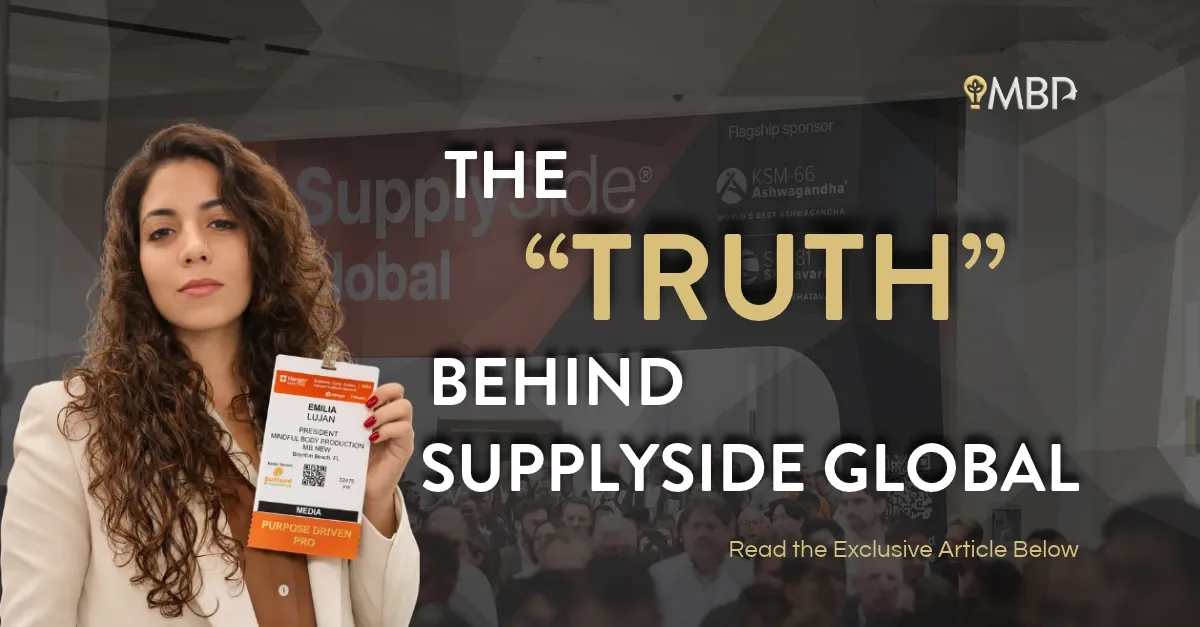
The Supplement Industry Nearly Lost Me on Day One. Day Two Changed Everything.
“What my first SupplySide Global event taught me about ingredient integrity, sustainability, and the people shaping the future of wellness.”
Walking into SupplySide Global 2026 in Las Vegas, I felt small…
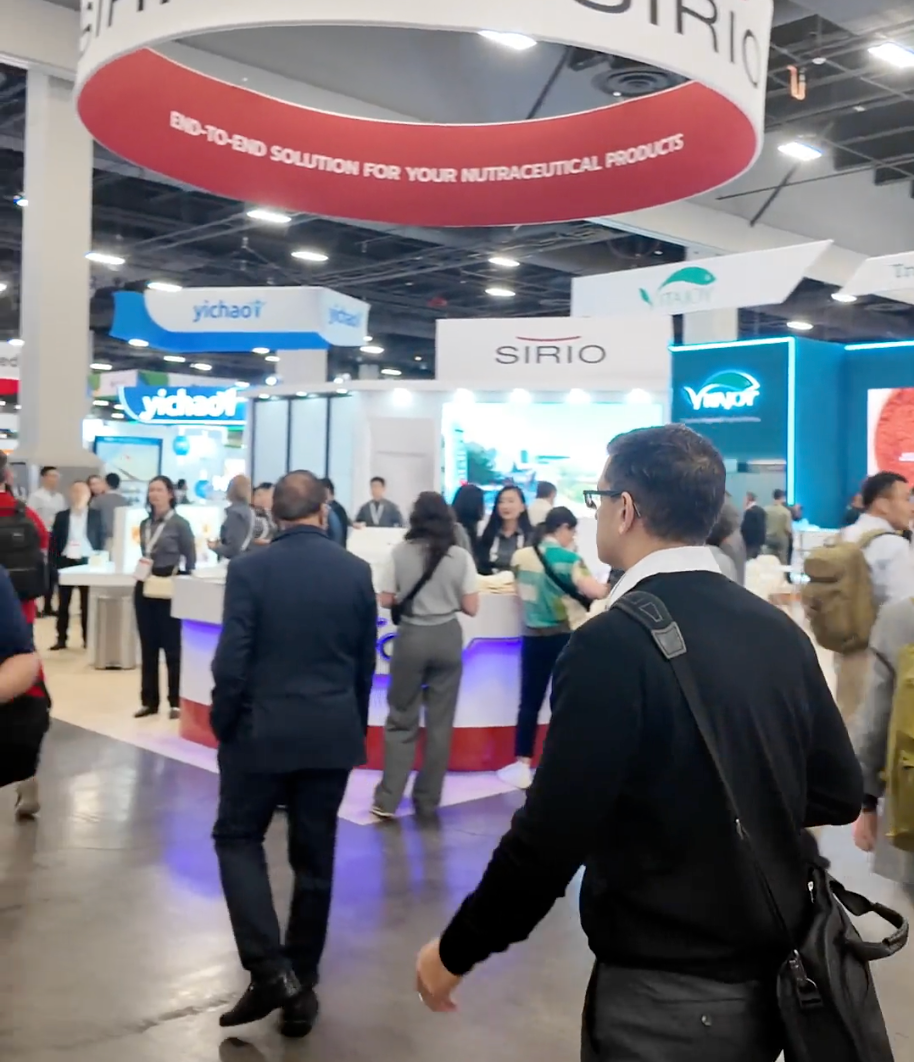
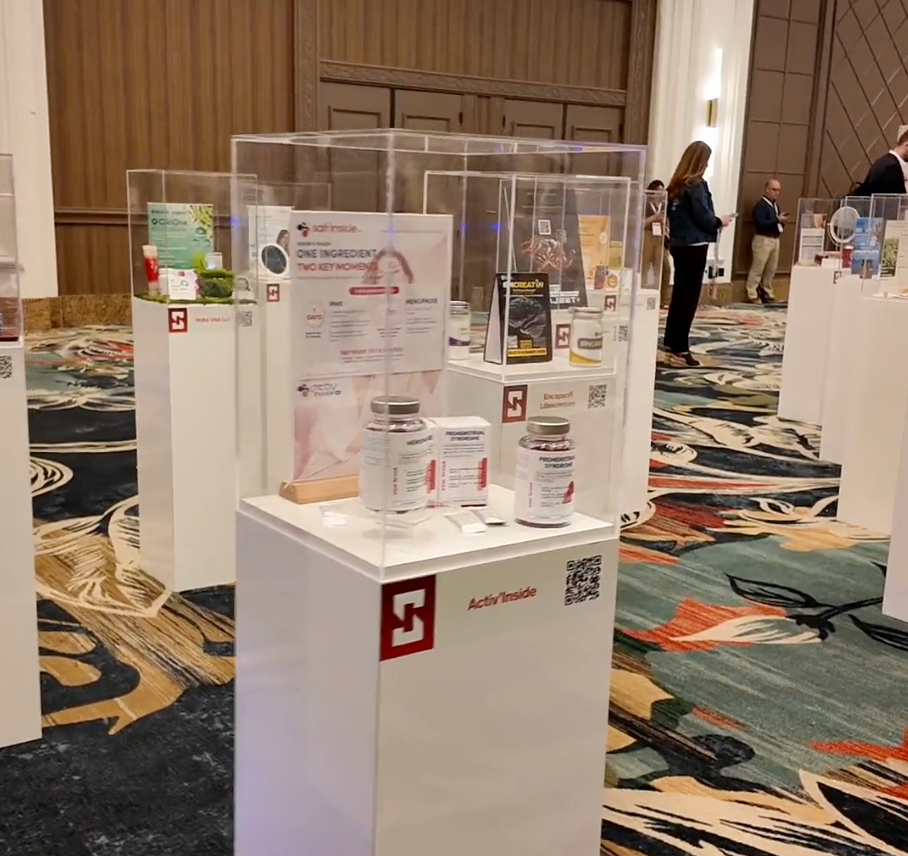
Bright LED signs towered above me. Beautifully designed booths stretched across the exhibition halls. Everywhere I looked, there were companies introducing ingredients, showcasing products, and trying to get the attention of thousands of industry professionals.
It was impressive. It was exciting. And, to be honest, it was overwhelming.
I came to SupplySide Global because I wanted to understand the supplement and natural products industry from the inside.
I'm relatively new to this industry, but I've spent almost a decade working in B2B marketing, connecting businesses with the right people, and helping brands communicate what makes them valuable.
Manufacturing has become particularly interesting to me.
Why? Because manufacturers and ingredient suppliers operate at the beginning and middle of the supply chain. They influence what goes into a product long before it reaches a retail shelf or a consumer's home.
That is where I believe some of the biggest opportunities exist to make a meaningful difference.
I arrived hoping to meet people who shared those values and perspective.
By the end of my first day, however, I was questioning whether I would find them.
Day One: The Unexpected Side of the Supplement Industry
There was no shortage of innovation and promising brands at SupplySide Global.
The scale of the event alone was extraordinary. There were ingredient suppliers, contract manufacturers, finished-product companies, and businesses offering practically every service imaginable.
If you wanted to create a new supplement, functional beverage, or wellness product, you could probably find several potential partners in a single afternoon.
One company was already at the top of my list is Vitality Works.
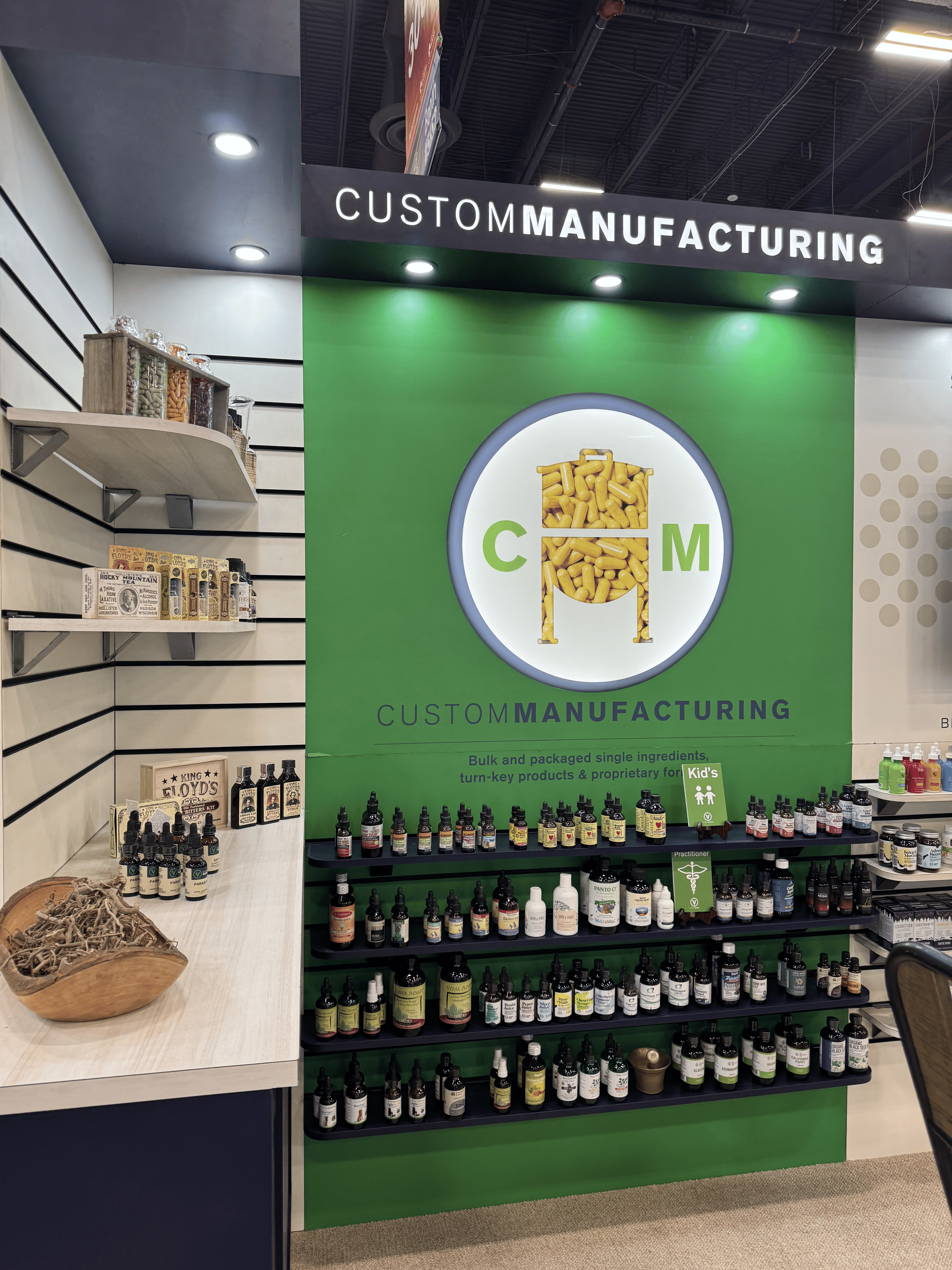
I had the opportunity to speak with its founder, Mitchell Coven, whose journey into botanical medicine began long before Vitality Works became a supplement manufacturer. Founded in 1982, the company grew out of years of herbal medicine study, teaching, and hands-on clinical practice.
What resonated with me was the philosophy behind their business, a commitment to understanding the plants, respecting where ingredients come from, and putting genuine thought into how products are formulated and produced. From building relationships with organic growers to prioritizing raw-material testing and more environmentally conscious manufacturing practices, it was a level of intentionality behind the work that stood out to me.
My conversation with Mitchell became the highlight of my day, not simply because of the high-quality products they manufacture, but because of the deeper philosophy and purpose behind them.
But as the hours went by, I struggled to find other connections that felt equally aligned.
I encountered products that made me question what we are really encouraging consumers to put into their bodies.
There were products with long lists of additional ingredients, and what I would describe as candy with vitamins added.
To be clear, I'm not saying every product in those categories is inherently bad. Different consumers have different needs, and formulations deserve to be evaluated individually.
But I couldn't help wondering how easily the language of wellness can become more about selling an appealing product than explaining what actually goes into it.
For an industry built around health, shouldn't that distinction matter?
I found myself surrounded by incredible business opportunities, yet increasingly uncertain about whether the values I care about had a meaningful place in this space.
By the time I left that first day, I felt discouraged.
I had come looking for companies that cared deeply about ingredient integrity, sustainability, and the people affected by their business decisions.
I knew those companies had to exist.
I just hadn't found many of them yet.
When There's Something for "Everyone", How Do We Know What Matters?
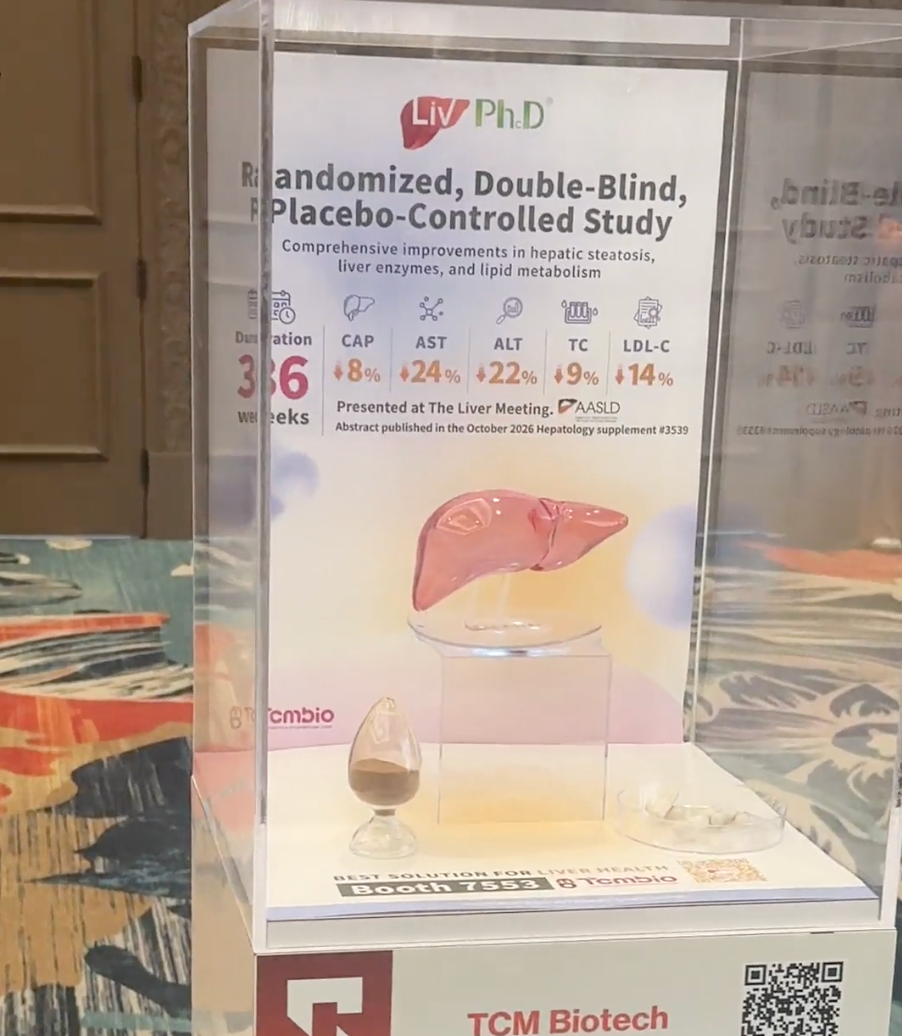
One of my biggest observations from SupplySide Global was that the industry has room for almost everything.
There are highly specialized ingredients, traditional botanicals, innovative delivery formats, and products designed around emerging consumer preferences.
And I think that's one of SupplySide Global's greatest strengths. It brings together people from different corners of the industry, from newcomers and emerging brands to established manufacturers and ingredient suppliers, giving everyone the opportunity to discover new ideas, make connections, and find businesses that share their values
Functional beverages particularly caught my attention. I noticed considerable interest in products that bring additional ingredients and wellness-oriented positioning into everyday drinks. Some of the top trending ingredients were matcha, honey, L-theanine, and kava.
Beyond beverages, the event's innovation programming also highlighted emerging areas such as longevity, biotics, adaptogens, hydration, and brain health. It was exciting to see so many possibilities for where the industry could go next.
I also heard brand owners and ingredient businesses repeatedly emphasize cleaner ingredients and more intentional formulations.
Those conversations were encouraging because they're reflecting what consumers are asking for.
According to FoodMinds' 2026 Conscious Consumption Index, 54% of surveyed U.S. grocery shoppers said they had started buying or increased purchases of food and beverages in the past year because they perceived them as less processed, containing fewer additives, or having ingredients they preferred.
The International Food Information Council's 2025 Food & Health Survey found that 59% of Americans considered it important to know where their food comes from, compared with 51% in 2017. Another 59% said environmentally sustainable food production was important, up from 53% in 2021. A 2025 Food Industry Executive report found that 35% of surveyed U.S. consumers rated ethical sourcing as highly or moderately highly important.
That sends a clear message. Consumers are paying closer attention to what's going into their products and where it came from.
But from some parts of what I witnessed at the event, that contrast was striking.
On one side, businesses were talking about ingredient sourcing, manufacturing standards, and sustainability. On the other, I saw products whose marketing appeal seemed to overshadow the questions I wanted answered about their formulation.
And all of them were sharing the same exhibition floor.
It made me realize something important.
The challenge facing wellness consumers isn't simply finding products. It's knowing how to evaluate the choices in front of them.
An attractive package doesn't explain how an ingredient was grown.
A compelling brand story doesn't automatically prove a manufacturer's standards.
And words such as "natural," "clean," or "sustainable" need context before they become meaningful.
What I saw on the exhibition floor felt like a preview of the products and ideas that may soon be competing for attention on store shelves.
If the professionals inside the industry have so much to navigate, imagine what that means for the everyday consumer trying to make a thoughtful purchasing decision.
I’ve been pondering and thinking about that…
Then came Day Two.
Day Two: The People Who Restored My Hope in the Supplement Industry
On my second day, I met people connected with the Rainforest Alliance.
And that conversation changed the direction of my entire experience.
The Rainforest Alliance is an international nonprofit organization working to protect nature and improve the lives of farmers and forest communities. Its work includes sustainable agriculture, certification, responsible supply chains, and forest conservation.
What interested me most wasn't simply its global reach.
It was the people.
I had the opportunity to connect with people involved in its work and hear perspectives from farmers from South America.
After spending so much time looking at finished products, formulations, and business opportunities, I was finally having conversations about the people and places where supply chains begin.
It brought everything into perspective.
One of the people I spoke with was José Román Carrera, whose work with the Rainforest Alliance focuses on forestry and communities.
A few words he shared in Spanish stayed with me.
"Somos una aliansa para combatir la deforestacion”
We are an alliance.
That idea felt especially meaningful after everything I had seen the previous day.
The future of this industry cannot be shaped by individual companies working in isolation.
It requires cooperation among farmers, ingredient suppliers, manufacturers, brands, and the communities connected to them.
And sustainability cannot simply be a statement added to a website.
It has to be reflected in the relationships, agricultural practices, and purchasing decisions that make a product possible.
The Rainforest Alliance's broader work demonstrates how these ideas can become part of an agricultural system.
Its programs involve working with farmers and forest communities on practices that support biodiversity, forest protection, responsible land management, and livelihoods.
Consider what that means.
Before an ingredient reaches a manufacturer, someone has to grow, harvest, or otherwise produce it.
That work takes place within a real ecosystem.
There are families whose livelihoods depend on the land. There are communities affected by the decisions of buyers. There are forests, soils, and natural resources that cannot simply be treated as unlimited inputs.
When businesses think only about the final ingredient price, how much of that larger picture gets lost?
These conversations reminded me that preserving agricultural landscapes and supporting the people who care for them are closely connected.
They also challenged me to think about sustainability beyond marketing claims.
Supporting responsible agricultural practices, improving access to markets, and investing in forest conservation are different activities. Each requires its own evidence and accountability.
But together, they show why the beginning of the supply chain deserves far more attention.
What stayed with me was the conviction that the people closest to the land should be part of the conversation about its future.
For me, the real story wasn't a new product launch.
It was the possibility of an industry that recognizes the connection between responsible business, healthy landscapes, and thriving communities.
That was the perspective I had been hoping to find.
And after my first day, I needed that reminder.
The people closest to the source of our ingredients deserve to be seen, heard, and valued.
Purpose-Driven People Have a Way of Finding Each Other
Interestingly, once I had that conversation, I began meeting more people who shared similar values.
About 30 minutes later, during happy hour, I sat next to Imelda Echavarría and Phillip Baker, the founders of UCHU Spice.
They were taking a break and enjoying a beer when we started talking.
Their company grows, processes, and supplies chili pepper ingredients, working with smallholder farmers in Ecuador and Peru.
What resonated with me was the connection between their business and the agricultural communities involved in producing those ingredients.
Later, at the Herbs & Botanicals Community Meet-up, I connected with more ingredient manufacturers, co-packers, contract manufacturers, and organizations like American Herbal Products Association (AHPA) who were passionate about their work and the impact they wanted their businesses to have.
I also met Michelle Martin and Sameer Joshi of A Thousand Plus at an after-party they helped sponsor. A Thousand Plus, a nonprofit supporting women and children through community-focused initiatives.
Each conversation was different, but I kept noticing a common thread.
These were people who could talk about business growth while also talking about responsibility.
They understood that a company could pursue commercial success and still care about the communities connected to its work.
The talks and networking opportunities at SupplySide Global were valuable.
But the people I connected with were what ultimately made the experience memorable.
Ingredient Integrity Begins Long Before the Label
If there is one lesson I brought home from SupplySide Global, it's this...
We need to pay more attention to what happens in the source.
When consumers evaluate a supplement, they understandably look at the finished product.
They read the label, compare ingredients, consider the dosage, and decide whether a brand deserves their trust.
Those are important steps, but the story of a product starts much earlier.
It begins with the decisions made on farms, in sourcing relationships, during ingredient processing, and throughout manufacturing.
Where did the ingredient come from?
How was it produced?
Who handled it before it reached the manufacturer?
What testing and quality controls were applied?
And what responsibility does the business take for the social and environmental consequences of its supply chain?
These questions matter because ingredient identity, quality, traceability, and responsible sourcing require real systems behind them.
A beautiful package cannot replace those systems...
Neither can sustainability just be a tagline nor just a "slogan"
Of course, a responsible farming program doesn't automatically establish that a finished supplement is safe or effective. Product quality still requires appropriate manufacturing controls, testing, and evidence relevant to its intended use.
But responsible sourcing is an essential part of the larger conversation.
And for businesses that claim to care about both human well-being and the planet, it shouldn't be an afterthought.
As someone working in B2B marketing, that realization matters to me professionally.
I want to help manufacturers and ingredient suppliers communicate the real value of their work.
Not by making bigger promises.
But by helping them explain what they do, why it matters, and how they demonstrate it.
The stories worth telling are often the ones that happen before the consumer ever sees the finished product.
Five Questions I Think Everyone Should Ask
My experience also changed how I think about choosing wellness products.
I don't expect consumers to become manufacturing experts.
But I do believe a few thoughtful questions can help us look beyond what a brand says about itself.
1. Where do your ingredients come from?
Can the brand identify the growing region, ingredient source, or supplier? Does it provide meaningful sourcing information rather than relying entirely on broad claims?
2. Who manufactures the finished product?
Does the company explain its manufacturing approach, relevant quality standards, and experience? Can it provide appropriate information about testing and quality controls?
3. What's included besides the active ingredients?
Look at the full ingredient list. Excipients, binders, sweeteners, and other additives can serve legitimate purposes, but their inclusion should make sense for the formulation.
4. What evidence supports your sustainability claims?
If a brand describes itself as responsible or sustainable, ask what that means in practice. Are there relevant certifications, sourcing policies, independent assessments, or documented initiatives behind the language?
5. How does the brand demonstrate transparency?
Does it answer reasonable questions clearly? Does it explain the limits of its claims? Can it distinguish between verified practices and aspirations?
For healthcare practitioners who recommend wellness products to patients, I believe these questions are just as important.
The more informed we become, the more we can encourage companies to take ingredient integrity and transparency seriously.
And for anyone thinking about creating a food or supplement product, my advice is to attend an event like SupplySide Global.
Review the exhibitor list before you arrive. Identify companies you want to meet. Download the event app and use its calendar to arrange meetings.
Most importantly, remain open to conversations you didn't expect.
Some of the most valuable people you meet might not be on your original schedule.
From Losing Hope to Going All In

I arrived in Las Vegas curious about the supplement industry and excited about the possibilities of working more closely with manufacturers.
I didn't expect to enjoy the experience as much as I did.
And I certainly didn't expect my perspective to change so dramatically between my first and second days.
Day One reminded me that an industry can be full of innovation while still raising difficult questions about its direction.
Day Two reminded me that the people working toward a better future are already here.
They're growing ingredients, protecting forests, supporting agricultural communities, developing better sourcing relationships, and building businesses around values that extend beyond a product's selling price.
I left SupplySide Global wanting to be more involved.
And that's what makes SupplySide Global so valuable. It brings together people from different backgrounds and corners of the industry, giving us the opportunity to discover new ideas, exchange perspectives, and find companies that genuinely align with our values. You may not connect with everyone, but meeting the right people can change your entire experience.
I'm especially excited about the opportunity to partner with quality manufacturers and ingredient suppliers who are committed to genuine sustainability, responsible business practices, and the well-being of people and the planet.
Ethically sourced ingredients will be an irreplaceable part of this industry. The push for cleaner ingredients is getting more attention, particularly as HHS Secretary Robert F. Kennedy Jr. and the FDA have pursued changes involving artificial food colors, ingredient safety oversight, and labeling. Some measures, including the August 2026 proposal to change how companies notify the FDA about ingredients considered Generally Recognized as Safe (GRAS), are still proposed rather than finalized.
There is so much more for me to learn...
But I know what kind of people I want to learn from.
The next generation of wellness innovation should be about more than creating new products. It should also be about creating better products, making more responsible decisions, and building businesses that consumers can genuinely trust.
MBNews tells the stories of people building with purpose across health and wellness. If your work belongs in that conversation, apply to be featured on MBNews.
Are you a supplement manufacturer or health and wellness brand planning to exhibit at next year's conferences or trade shows? I'd love to help you make the most of your presence, attract the right audience, and turn meaningful connections into business opportunities.
I'm opening my calendar for complimentary consultations. Let's connect!